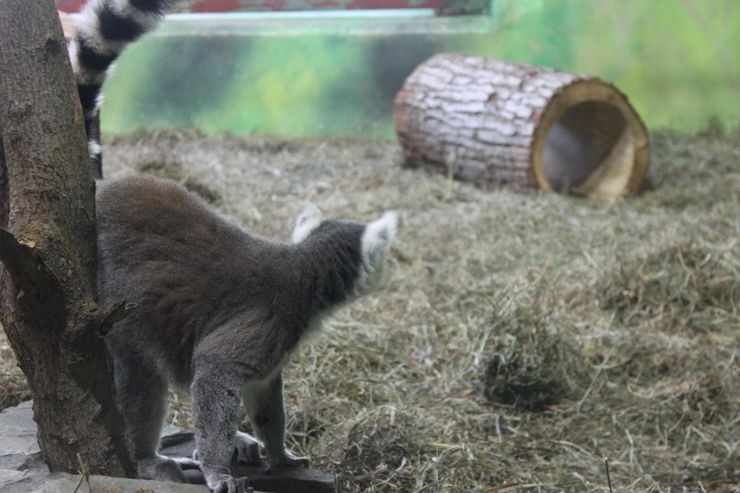
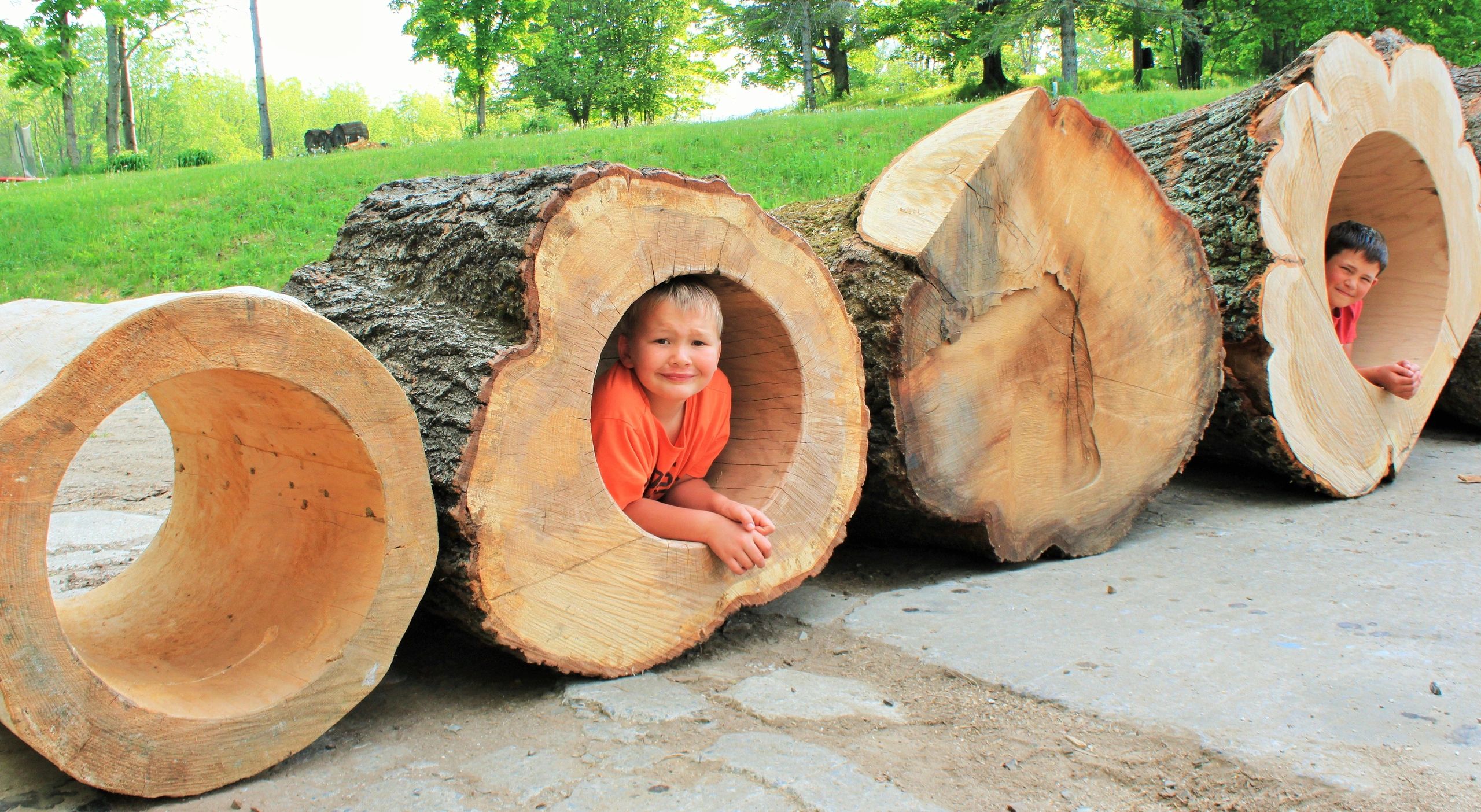
Hollow Logs for Zoo Enrichment: Why Natural Wood Beats Artificial Every Time
Zookeepers and animal care professionals across North America are turning to natural reclaimed hollow logs for behavioral enrichment. Here's why — and what to look for when choosing one.
Walk through the great ape house at any major zoo and you'll notice something: the animals gravitate toward the natural elements. The branches. The bark. The hollow logs. Not the painted concrete. Not the molded plastic. The real stuff.
There's a reason for that — and it's not just aesthetics.
What Is Behavioral Enrichment?
Behavioral enrichment is the practice of providing animals in human care with stimuli that encourage natural behaviors. For most species, that means foraging, climbing, hiding, scent-marking, and exploring. A well-designed enrichment program reduces stereotypic behavior (repetitive pacing, rocking), lowers stress hormones, and improves overall animal welfare.
Hollow logs check nearly every enrichment box at once.
Why Hollow Logs Work So Well
They engage multiple senses simultaneously. A natural reclaimed log carries the scent of the forest it came from. It has texture — rough bark, smooth inner wood, crevices and knots. Animals investigate it the same way they would in the wild: sniffing, scratching, gnawing, and eventually claiming it as a den or resting spot.
They encourage natural denning behavior. Red pandas, wolverines, otters, small felids, and dozens of other species are obligate den users in the wild. A hollow log isn't just a toy — it's a functional habitat element that satisfies a deep behavioral need.
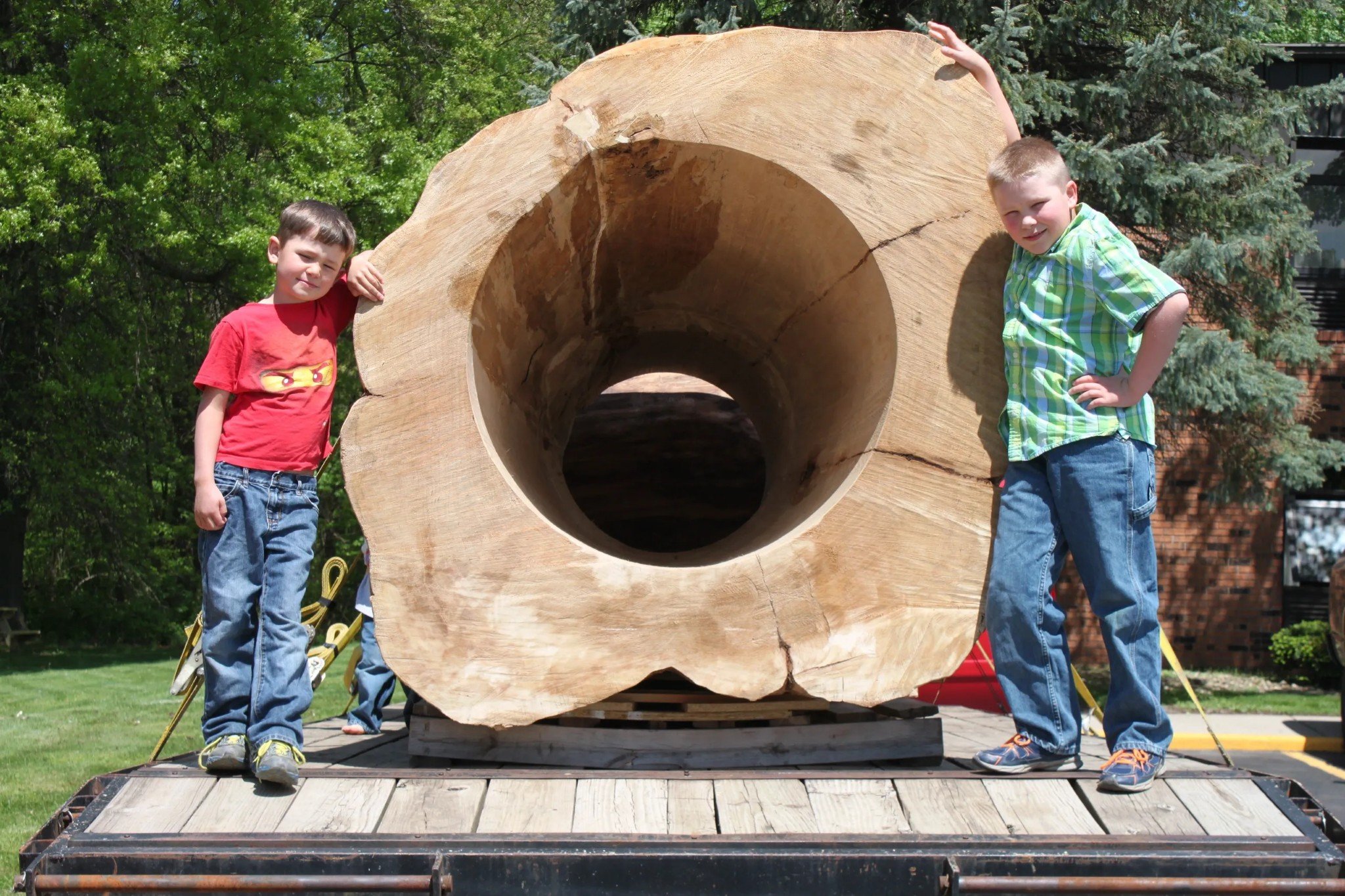
They're durable enough for large animals. IC WOOD hollow logs are crafted from large-diameter reclaimed timber — pine, poplar, maple, and oak — using a patented process that preserves the structural integrity of the wood. A 48" diameter log can withstand a 400-lb black bear without cracking.
They're 100% natural and non-toxic. No synthetic materials, adhesives, or coatings. Safe for direct animal contact, including species that chew or ingest wood as part of natural behavior.
Natural Wood vs. Artificial Enrichment Structures
Artificial enrichment structures — molded fiberglass, painted concrete, plastic tubes — have their place. They're easy to sanitize and they last a long time. But they have real limitations when it comes to behavioral engagement.
| Feature | Natural Hollow Log | Artificial Structure |
|---|---|---|
| Scent stimulation | ✓ Natural wood scent | ✗ Neutral or chemical |
| Texture variety | ✓ Bark, grain, knots | ✗ Uniform surface |
| Gnawing/foraging | ✓ Encourages natural behavior | ✗ Not designed for it |
| Visual naturalism | ✓ Matches wild habitat | ✗ Looks artificial |
| Animal welfare impact | High | Moderate |
What Zookeepers Tell Us
We've shipped logs to more than 130 institutions across North America — from Disney's Animal Kingdom and the Smithsonian National Zoo to smaller regional facilities and wildlife rehabilitation centers. The feedback we hear most often:
"The animals went straight to it."
That's not marketing copy. That's what happens when you put a real piece of forest into an enclosure. Animals recognize it.
Choosing the Right Log for Your Species
Not every log is right for every animal. Here's a quick guide:
- Small mammals (red pandas, otters, small felids): 24"–28" diameter, full round or tunnel configuration
- Medium mammals (wolverines, coatis, small bears): 36" diameter, full round
- Large mammals (bears, big cats, great apes): 48"–60" diameter, full round or half round
- Reptiles and amphibians: 24"–36" diameter, tunnel configuration for thermoregulation
- Birds (large parrots, hornbills, ground-nesting species): 28"–36" diameter, positioned horizontally
Length matters too. Longer logs (5'–6') give animals more to explore and allow multiple animals to use the same structure simultaneously.
The IC WOOD Difference
Every IC WOOD hollow log starts as a reclaimed tree — one that has already lived its life and fallen naturally or been removed for safety reasons. We don't cut living trees. Our patented Inner Circle Wood Method preserves the natural hollow while reinforcing the structural walls, giving you a log that looks wild and lasts years in an outdoor enclosure.
We've diverted more than 275 tons of timber from landfills since 2014. Every log you order is part of that story.
Ready to add natural hollow logs to your enrichment program? Browse our full catalog or contact us for a custom quote tailored to your species and enclosure dimensions.
Explore Topics
Written by
IC WOOD Team
Content creator and writer sharing insights and stories.