Synthetic concrete and plastic log tunnel products are, by their material nature, enclosed structures. A GFRC log tunnel is a concrete shell cast in a mold — its interior is sealed on all sides except the two entry openings. A plastic tunnel is an extruded or rotationally molded polymer tube. Neither material produces a naturally open structure.
To meet mandatory playground supervision requirements — which require that caregivers maintain visual contact with children inside enclosed play structures — synthetic log tunnel manufacturers must engineer additional openings into the shell after the fact. These take the form of knothole-themed windows, punched side apertures, or molded supervision cutouts — design additions that exist solely to compensate for the enclosed geometry of the base material. They are structural workarounds, not design features.
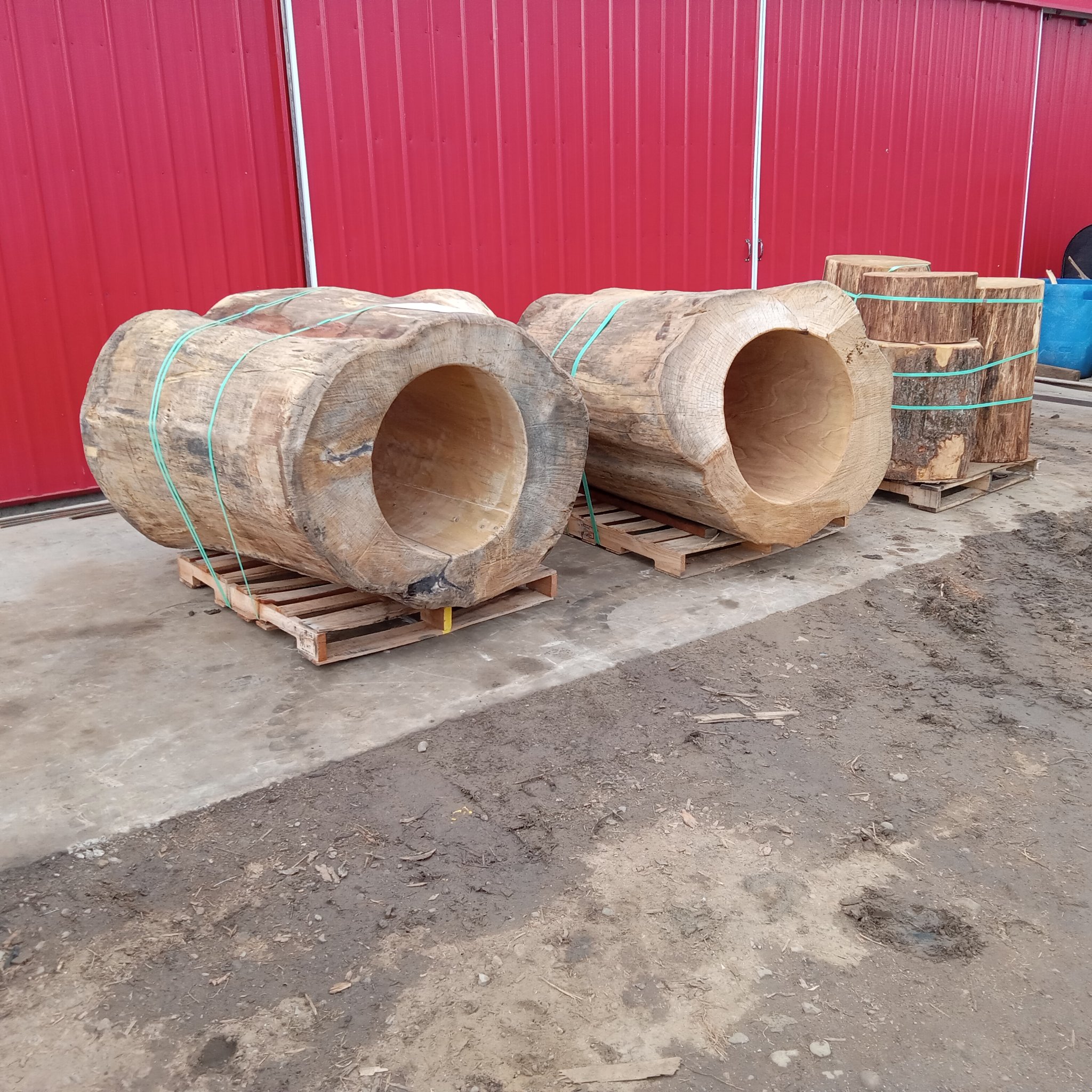
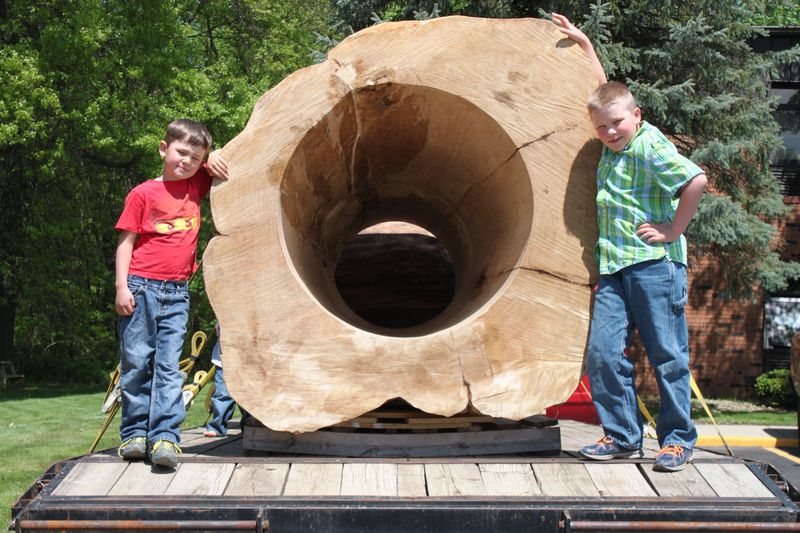
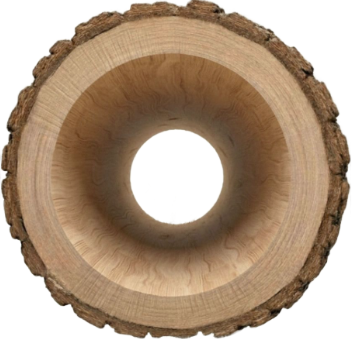
IC WOOD genuine reclaimed hollow logs require no such workarounds. The natural hollowing process produces a fully open-ended structure with a clear, unobstructed sightline from entry to exit along the full length of the log. An adult standing at either opening has complete visual access to the interior. There are no blind spots, no enclosed chambers, and no supervision gaps — because the design is not a closed shell with windows added, but an open hollow that has never been closed.
This is not a minor aesthetic distinction. In institutional settings — schools, municipal parks, licensed childcare facilities — playground supervision requirements are regulatory obligations. A structure that achieves compliance through punched windows in a concrete shell and a structure that achieves compliance through its natural open geometry are not equivalent. One is a compensated design. The other is inherently compliant.