Hollow Logs as Wildlife Habitat: From Aquariums to Rehabilitation Centers
A hollow log isn't just enrichment — it's habitat. Here's how aquariums, wildlife rehabilitation centers, and nature centers are using IC WOOD logs to create functional, naturalistic environments for the animals in their care.
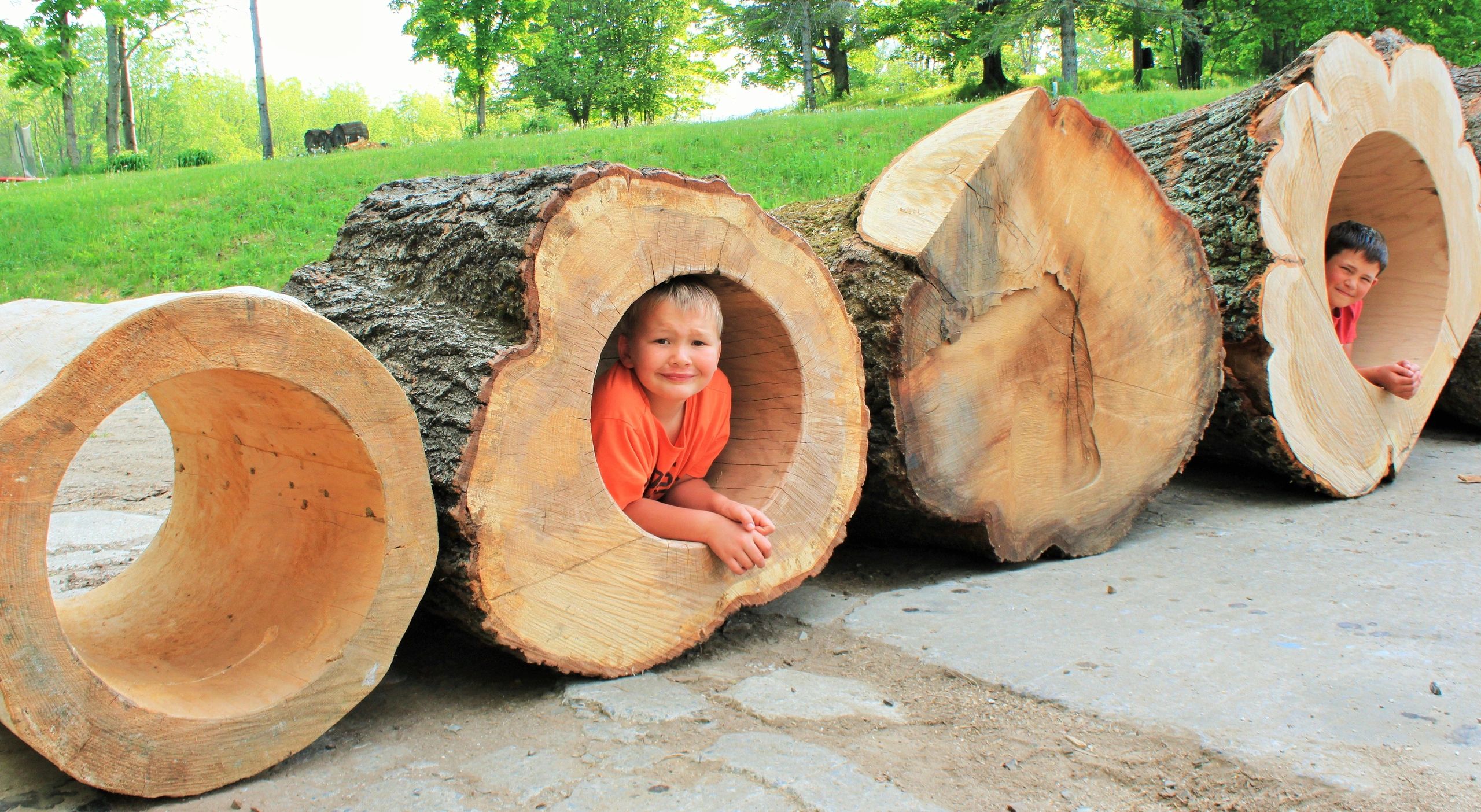
The word "enrichment" sometimes undersells what a hollow log actually does for an animal.
Enrichment implies something extra — a bonus, a treat, a toy. But for many species, a hollow log isn't enrichment. It's habitat. It's the structure their entire behavioral repertoire is built around: where they sleep, where they hide from predators, where they raise young, where they feel safe.
When you put a real hollow log into an enclosure, you're not adding enrichment. You're restoring a piece of the animal's world.
Hollow Logs in Aquarium Exhibits
Aquariums house far more than fish. River otters, beavers, turtles, water monitors, and dozens of semi-aquatic species all rely on terrestrial den structures as part of their natural habitat.
River otters are perhaps the most dramatic example. In the wild, North American river otters den in hollow logs, root masses, and undercut banks along waterways. In captivity, otters without adequate denning structures show elevated stress behaviors — excessive swimming patterns, reduced social interaction, and poor reproductive success.
IC WOOD tunnel logs positioned at the water's edge — partially submerged or angled so animals can enter from the water — replicate this natural denning context with remarkable fidelity. The wood scent, the texture, the enclosed space: otters investigate these logs within minutes of introduction and often establish them as primary sleeping sites within days.
Turtles and tortoises use hollow logs for thermoregulation and security. A half-round log positioned in a basking area provides both a visual barrier (reducing stress from visitor proximity) and a physical structure to climb over — important for maintaining muscle tone in long-term captive animals.
Water monitors and other large lizards use hollow logs as ambush sites, sleeping dens, and egg-laying locations. A 36"–48" full round log gives these animals the enclosed, dark space they seek for security.
Wildlife Rehabilitation: The Case for Natural Materials
Wildlife rehabilitation presents a unique challenge: animals in care must eventually return to the wild. That means every element of their rehabilitation environment should reinforce natural behaviors, not suppress them.
Artificial structures — plastic tubes, metal boxes, fiberglass dens — do the job of providing shelter. But they don't do the job of preparing animals for a world made of wood, bark, and soil.
Raptors recovering from injury need to practice gripping natural surfaces. A hollow log positioned as a perch provides the irregular, bark-covered surface that develops the foot strength and grip technique they'll need in the wild.
Mustelids (weasels, mink, fishers, martens) are obligate den users. A rehabilitation enclosure without a proper den structure produces animals that are behaviorally unprepared for release — they haven't practiced the denning behaviors that keep them safe from predators.
Black bears in rehabilitation facilities benefit enormously from large hollow logs (48"–60" diameter). Cubs that have access to natural den structures show better foraging behavior, more appropriate fear responses to humans, and higher post-release survival rates in studies conducted by state wildlife agencies.
Nature Centers and Interpretive Exhibits
Nature centers occupy a unique space: they're educational facilities, but they're also often home to non-releasable wildlife — animals that have been injured, imprinted, or otherwise cannot survive in the wild.
For these animals, quality of life is the primary concern. And quality of life, for most wild species, means having a habitat that feels like home.
IC WOOD logs are a natural fit for interpretive exhibits because they serve double duty: they provide genuine habitat value for the resident animal and they tell a story to visitors. A child watching a red fox emerge from a hollow log understands something about that animal's world that no sign or video can convey.
We've worked with nature centers across the country to design log configurations that work for both the animal and the interpretive program — positioning logs so animals can be observed naturally, without the stress of feeling exposed.
Sizing Guide for Common Rehabilitation and Exhibit Species
| Species | Recommended Diameter | Log Type |
|---|---|---|
| River otter | 24"–28" | Tunnel or Full Round |
| Beaver | 28"–36" | Full Round |
| Red fox | 28"–36" | Full Round |
| Fisher / Marten | 24"–28" | Full Round |
| Black bear (cub) | 36"–48" | Full Round |
| Black bear (adult) | 48"–60" | Full Round |
| River otter (group) | 36" | Tunnel |
| Large tortoise | 36"–48" | Half Round (shelter) |
| Water monitor | 36"–48" | Full Round |
| Great horned owl | 28"–36" | Full Round (vertical) |
| Red panda | 24"–28" | Full Round |
Working With Your Animal Care Team
Every species is different, and every enclosure is different. We encourage facilities to involve their animal care staff in the selection process — the keepers who work with these animals daily have invaluable insight into what will actually be used versus what will be ignored.
IC WOOD offers a commercial solutions consultation for institutions that need help specifying the right logs for their exhibits. We can provide CAD-ready dimensions, weight specifications, and installation guidance to support your design and safety review process.
Questions about using IC WOOD logs in your facility? Contact us directly — we work with zoos, aquariums, rehabilitation centers, and nature centers of all sizes, and we're happy to talk through your specific needs.
Explore Topics
Written by
IC WOOD Team
Content creator and writer sharing insights and stories.